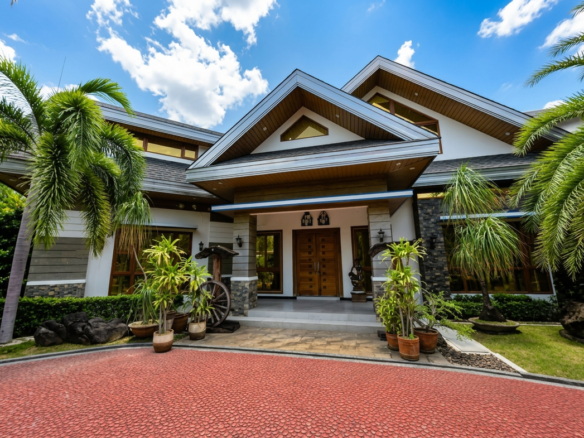

Pampanga Dream Homes Guide to Buying a Home in the Philippines
Buying a home is a significant milestone! This guide breaks down the process into manageable steps to help you navigate your journey to homeownership in the Philippines.
Step 1: Define Your Needs & Prepare Thoroughly (Analyze)
Before diving into listings, take time for self-assessment. Ask yourself:
- Why am I buying? (First home, upgrade, investment, etc.) Understanding your primary goal will shape your entire search.
- What are my must-haves? Consider size, number of rooms, location preferences, and budget.
- What are my future plans? Think about how long you might stay and if your needs might change.
Preparation is Key: Being well-prepared from the start prevents overlooking crucial details. Research the market, understand general price ranges in your desired areas, and begin thinking about finances. This initial groundwork helps you make informed decisions.
Consider Long-Term Value: Remember that a property’s value appreciation is often linked to the developer’s reputation and the quality of their projects. Well-regarded developers often see faster and higher appreciation on their properties, making it an important factor in your decision.
Step 2: Select the Right Property Type, Developer, and Location (Select and Choose)
With your needs defined, you can narrow down your options:
- Property Types:
- Condominiums: Often preferred for urban living, amenities, and potentially lower maintenance.
- Residential Lot: Buy land now and build later, offering customization.
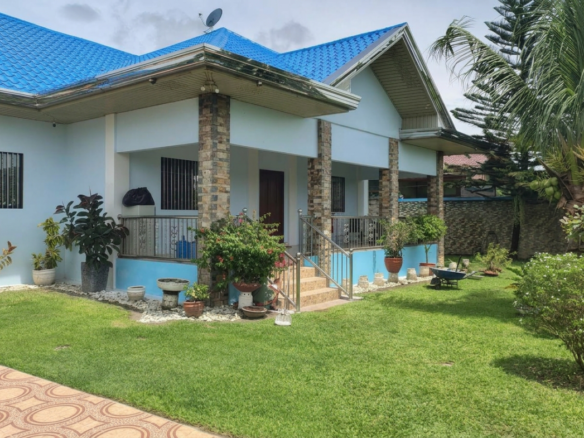
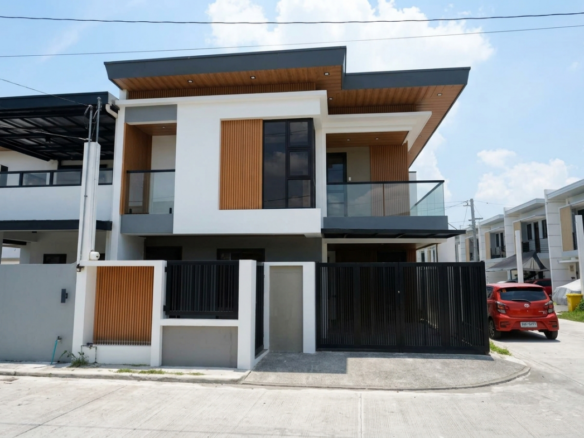
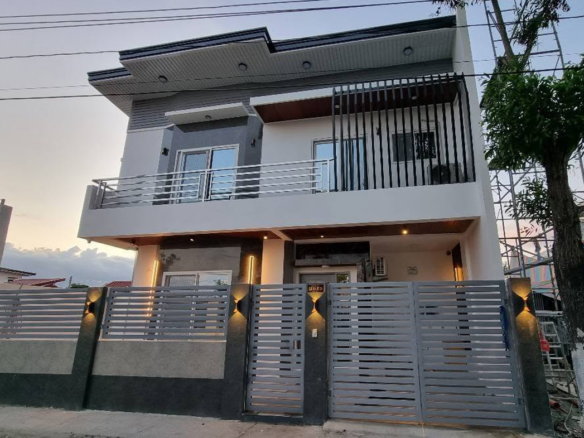
- House and Lot: A ready-built home on its own land, offering more space and privacy.
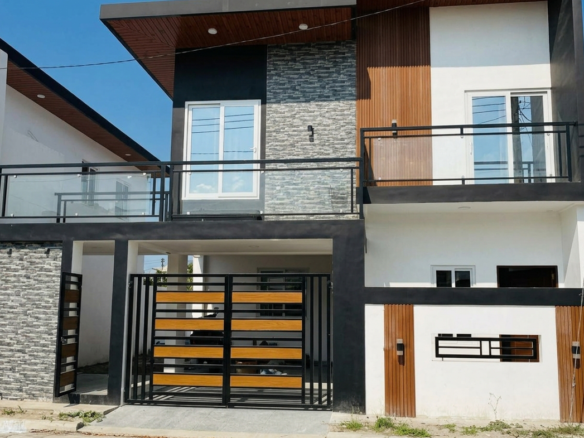
- Townhome: Balances aspects of condos and single-family homes, often within a community.
- Choosing the Right Developer and Project: Once you know the type of property, focus on finding the right specific home. Consider:
- Developer Track Record: Research their history, completed projects, and buyer feedback.
- Neighborhood & Location: Evaluate the community. Does it fit your lifestyle? Consider:
- Accessibility: Ease of access to transportation hubs, major roads.
- Essential Services: Proximity to schools, hospitals/clinics, police/fire stations, markets.
- Amenities: Presence of parks, pools, gyms, community centers, places of worship, nearby malls, etc., that enhance your quality of life.
Step 3: Engage with a Real Estate Professional (Contact)
Navigating the real estate market, especially the legal and financial aspects, is complex. Working with a qualified real estate agent or accredited seller is highly recommended. They can:
- Provide expert advice and market insights.
- Help you find properties matching your criteria.
- Guide you through negotiations and paperwork.
- Connect you with other professionals (like lawyers or bankers) if needed.
If you’re interested in specific developments (like those by Ayala Land, as mentioned in the original guide), contacting their accredited sales agents directly is a good option.
Step 4: Understand Financing and Legal Requirements (Review)
This stage is crucial for a smooth transaction:
- Explore Financing Options:
- Determine your budget and how much you can borrow.
- Research different home loan products offered by banks. Get pre-qualification or pre-approval to understand your borrowing capacity.
- Major banks in the Philippines often accredited by developers include (but are not limited to): BPI, BDO, Metrobank, Chinabank, PSBank, PNB, and others. Compare their rates and terms.
- Developers often have various payment schemes (e.g., down payment structures, in-house financing for a period) – understand these fully.
- Review Legal & Documentary Requirements:
- Familiarize yourself with the necessary documents for purchase (e.g., valid IDs, proof of income, reservation agreement, contract to sell, deed of sale). Requirements may vary based on your employment status (locally employed, OFW, self-employed) and the financing type.
- Understand the legal process involved in transferring ownership.
Step 5: Complete the Purchase Transaction (Purchase)
Once you’ve chosen a property, secured financing (if applicable), and reviewed all terms:
- Sign the Reservation Agreement: This typically secures the unit under your name, often requiring a reservation fee.
- Complete Down Payment: Pay the required down payment according to the agreed schedule.
- Finalize Loan: If using bank financing, complete the bank’s loan application process and sign the loan documents.
- Sign the Contract to Sell (CTS): This outlines the terms before the title is transferred.
- Execute the Deed of Absolute Sale (DOAS): This is signed upon full payment or upon bank loan release, formally transferring ownership.
- Settle Fees and Taxes: Pay associated costs like transfer tax, documentary stamp tax, registration fees, etc.
Step 6: Manage Post-Purchase Activities (Post Purchase)
Ownership doesn’t end with the final payment. Key follow-up steps include:
- Property Turnover: Inspect the unit/property upon completion and formally accept it from the developer.
- Title Transfer: Ensure the property title (Condominium Certificate of Title or Transfer Certificate of Title) is correctly transferred and registered under your name with the Registry of Deeds.
- Utility Connections: Arrange for water, electricity, internet, and other necessary utilities.
- Homeowners Association (HOA): If applicable, register with the HOA and understand the community rules and fees.
- Move-In: Plan your relocation.
- Ongoing Communication: Reputable developers often maintain communication to ensure customer satisfaction and address any warranty items or concerns.
Following these steps diligently will help you make a confident and informed home purchase in the Philippines. Good luck!